I finally managed to get a properly smart kettle integrated into my home automation system using a Xiao module. Through several early kludges, one electrocution, and 13 years of questing, this year I got around to making a PCB to put a Xiao ESP32-C3 inside a kettle base.
You can see my whole journey from the start or skip to part 3 where I install the Xiao solution!
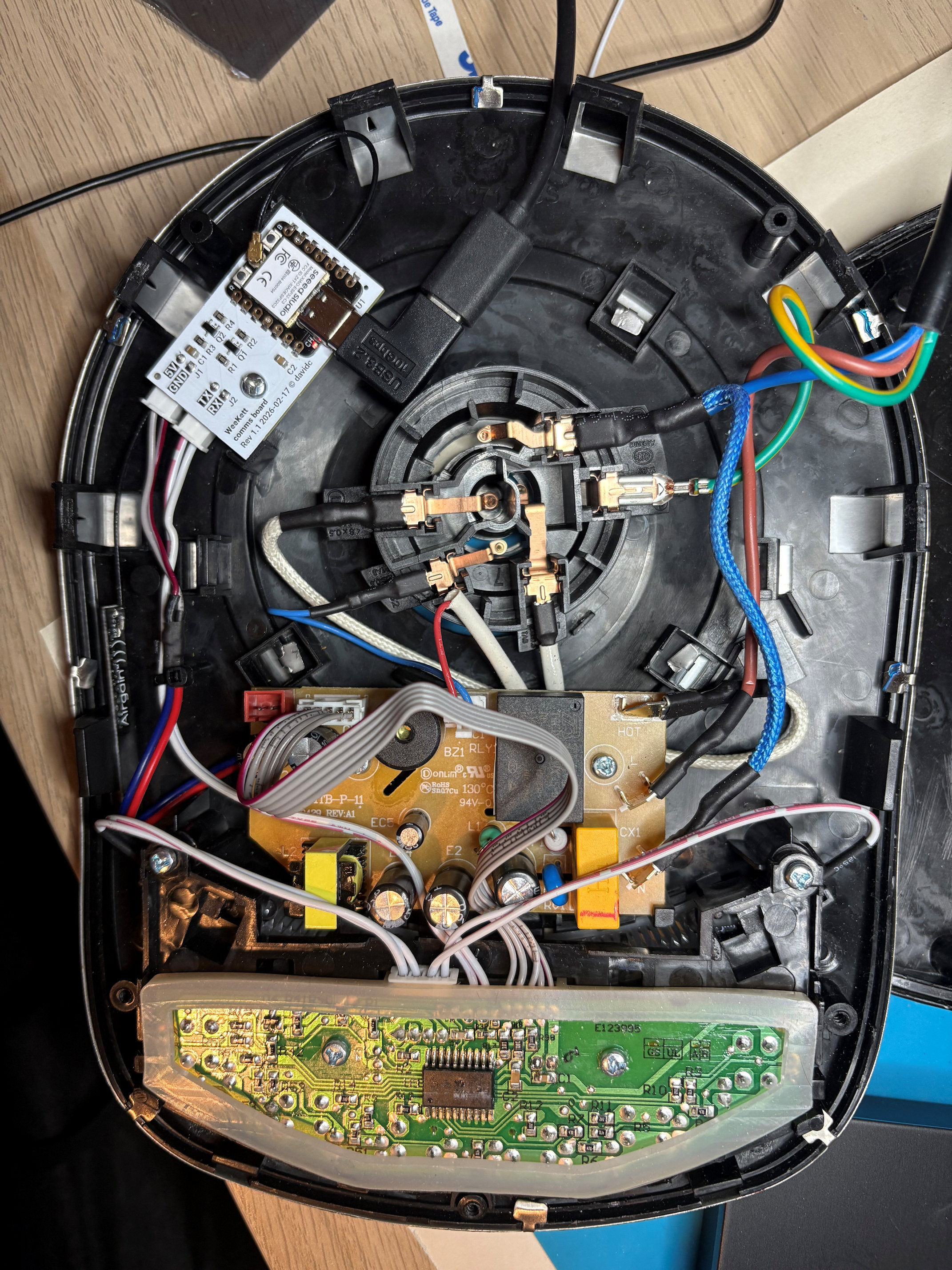
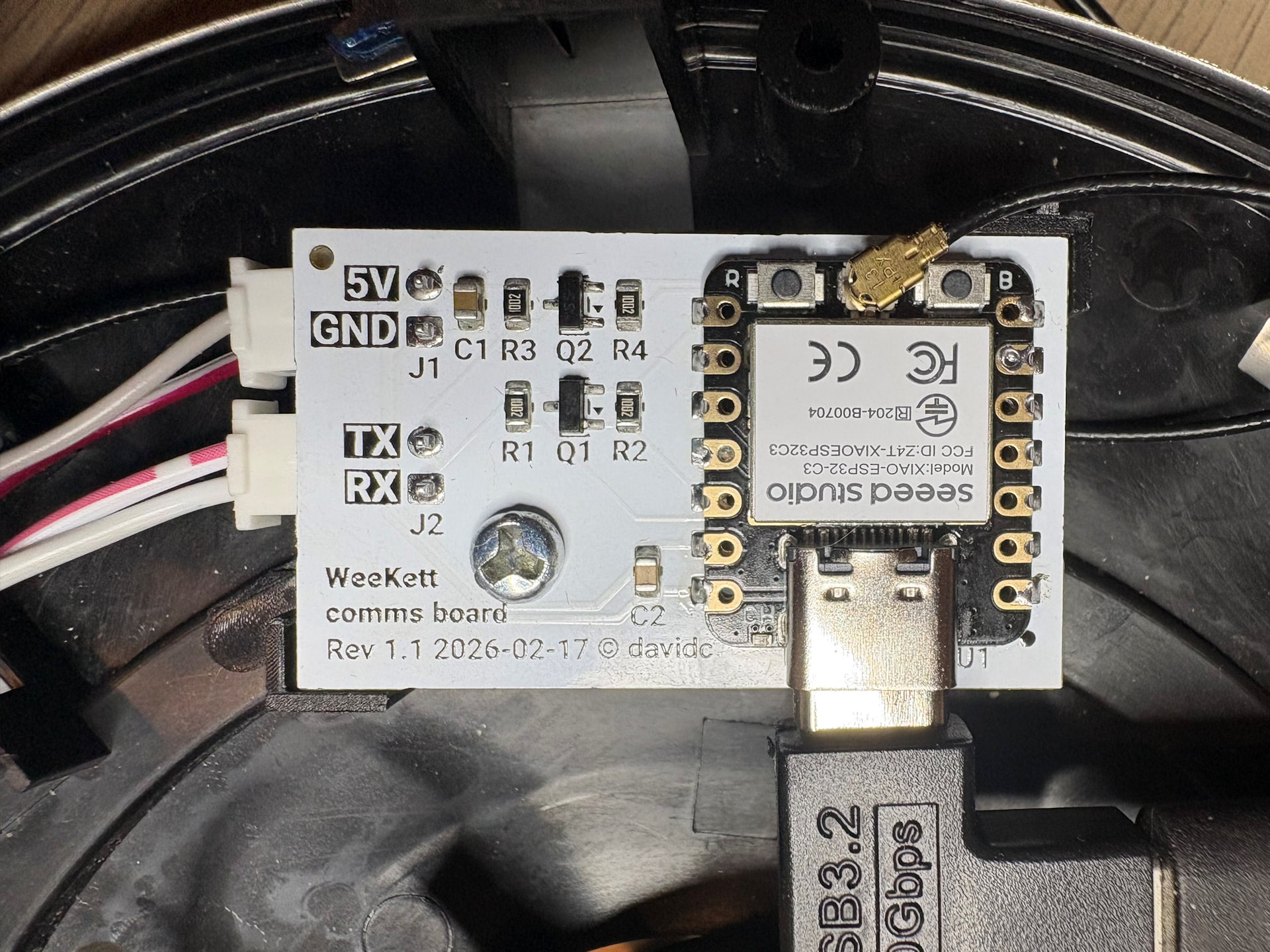
Thanks for such a versatile and compact little module!
1 Like
I always say elecrocution instead of shock… but i think you only get elecrocuted once, shocked many times.. lol It was interesting the first time i felt 60 hz in my fillings…
1 Like
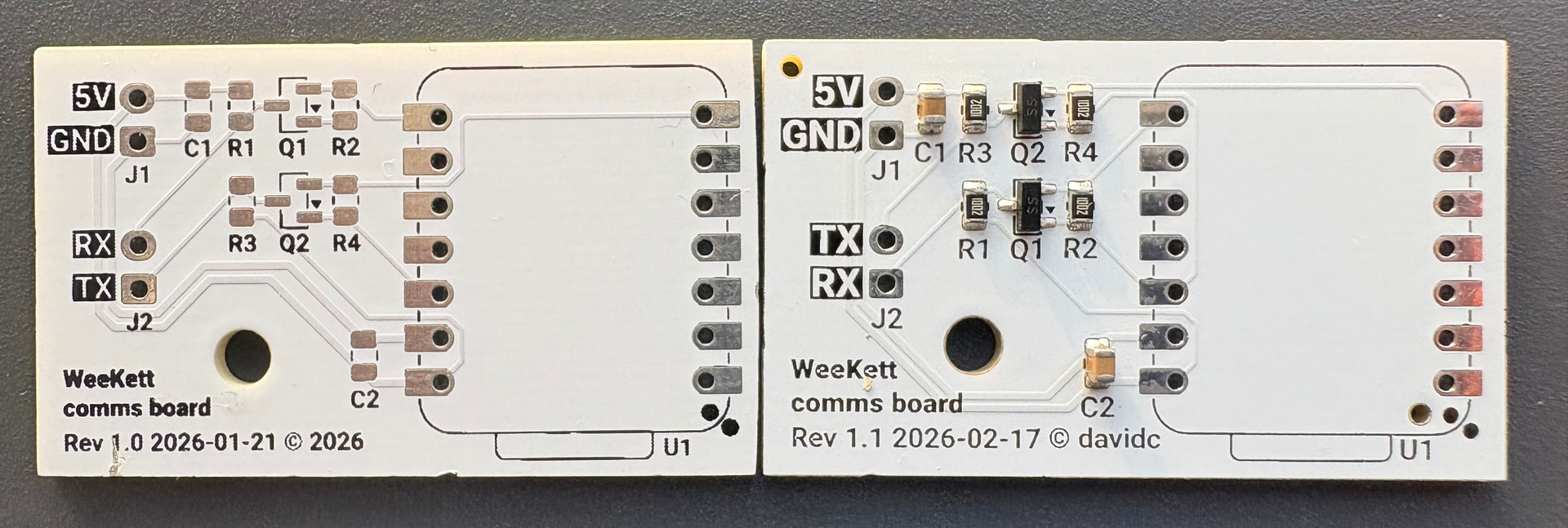
Nice build. The custom PCB integration looks clean. I went through your schematic as well. A couple of things stood out.
The control side and power stage share the same path. There’s no real isolation between them. That can let switching noise couple into the ESP32. Over time, that may cause instability or random resets. Using something like a PC817 optocoupler in the control path would help. It provides proper isolation and improves robustness. You can also check the PC817 optocoupler datasheet and availability here if needed.
The power stage needs some improvement. The voltage drop before regulation may affect stability under load. That can affect the 5V and 3.3V rails under load. I’d also review decoupling, since several capacitor values are not defined. Better filtering and a more stable rail would make the system more reliable long term.
1 Like


 but way to learn and discover . The PCB is Great ! Clean and straight forward.
 PJ
PJ 