Hi, I’ve purchased the MR60BHA2 and I’m doing some small experiments on respiration-rate detection. In the Technical Specification, it states that the minimum value for “Breathing and heartbeat detection distance (chest)” is 0.4 m. I also checked other models and products from other vendors, and their minimum recommended distance seems to be in a similar range.
Could someone explain the specific reason for this minimum distance requirement? For example, is it mainly due to near-field effects, signal distortion/saturation, or noise/interference at very short range?
SO, there are some very good threads on this here and a few I have seen in the usual places too. Bottom line it’s the type of RADAR.
The MR60BHA2 uses Frequency-Modulated Continuous Wave (FMCW) radar technology. The minimum detectable range in FMCW systems is related to factors like the radar’s pulse width and the physical separation/isolation between the transmitting and receiving antennas.
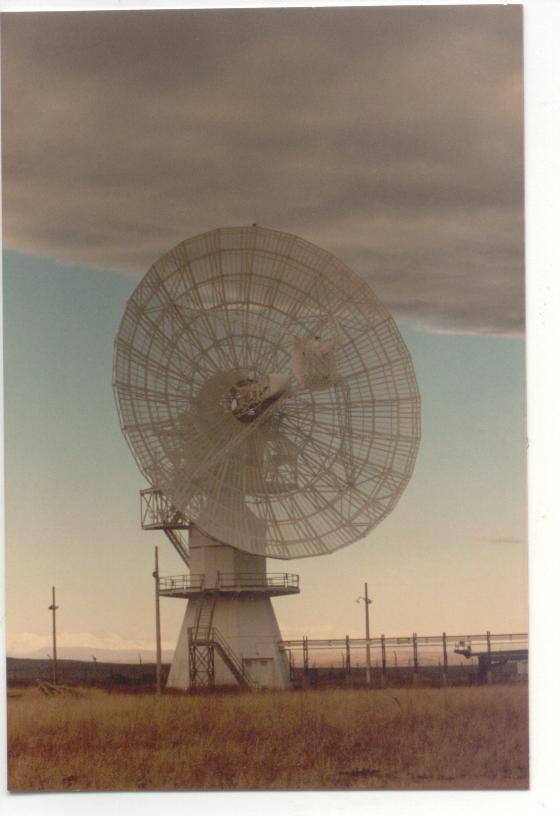
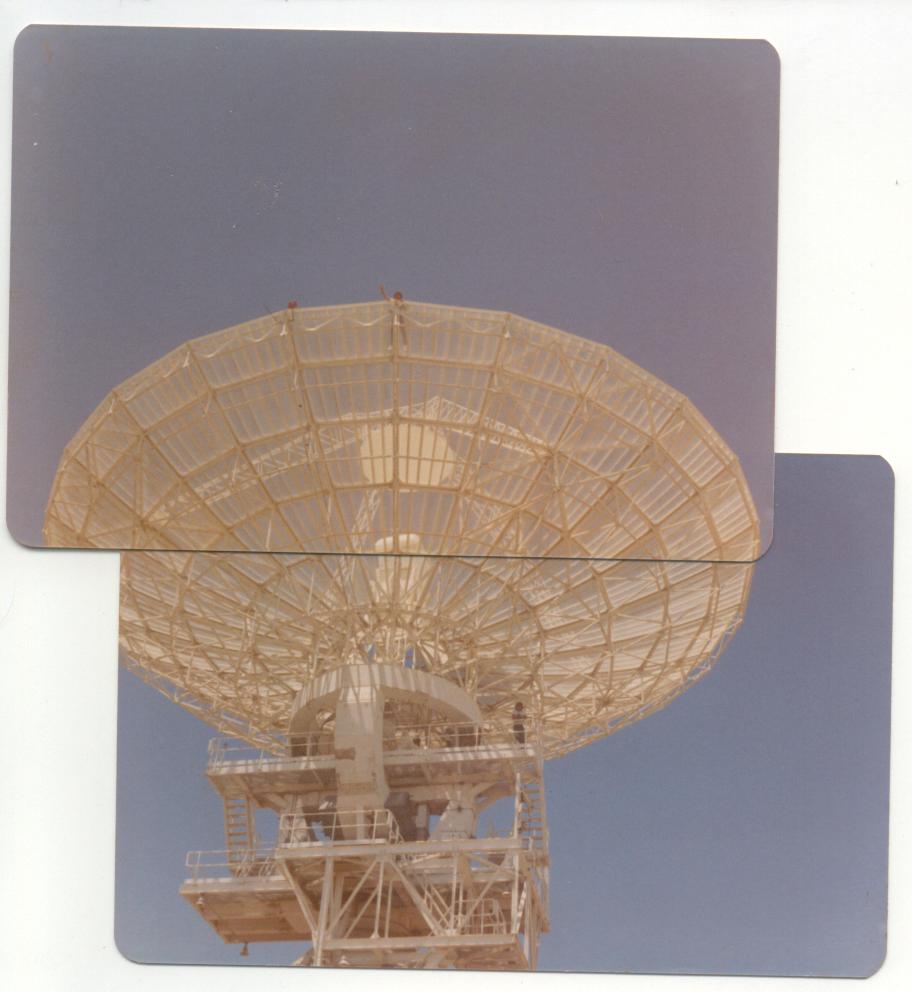
You can look more closely at the info out there too, Biggest problem as I see it is the Antenna coupling and It’s a physical thing The size is SO small the return waves go past without being registered. and if you crank up the Amplitude of Transmit you , blow your own ears out because it’s physically too close. It’s a conundrum of Radar even on the big boys.
First of all, thank you for your reply. Your explanation was excellent—easy to understand right away. I’ll look for more literature related to antenna coupling.
 you , blow your own ears
  out because it’s physically too close.
  It’s a conundrum of Radar even on the big boys.


 PJ
PJ 