I have a question regarding the Seeed Technology microcontroller board (113991254)
A customer is planning to use this board with the Kitronik Servo Motor Klaw Kit (Part# 5696) After connecting the FS90 servo directly to the board, could you please advise if any additional components (such as a dedicated power supply, driver board, resistors, etc.) are required to properly operate the servo?
Also, are there any specific considerations (e.g., voltage requirements, PWM control compatibility) that we should be aware of when using this board for servo control?
Any guidance would be greatly appreciated.
Thank you!
Takashi
T4929229
Hi there,
And Welcome here…
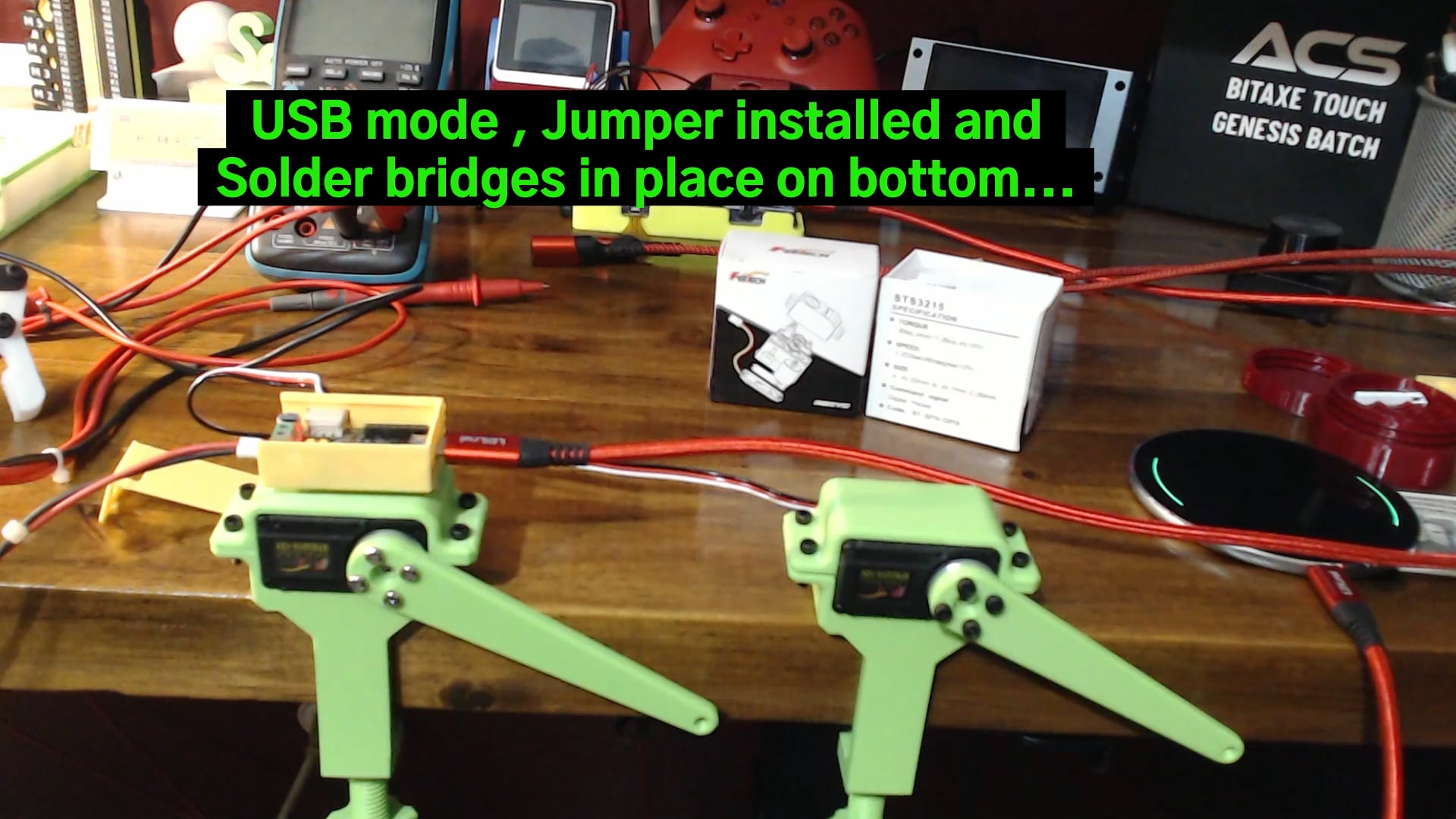
So, Yo can see a brief video Demo on both modes , HERE…
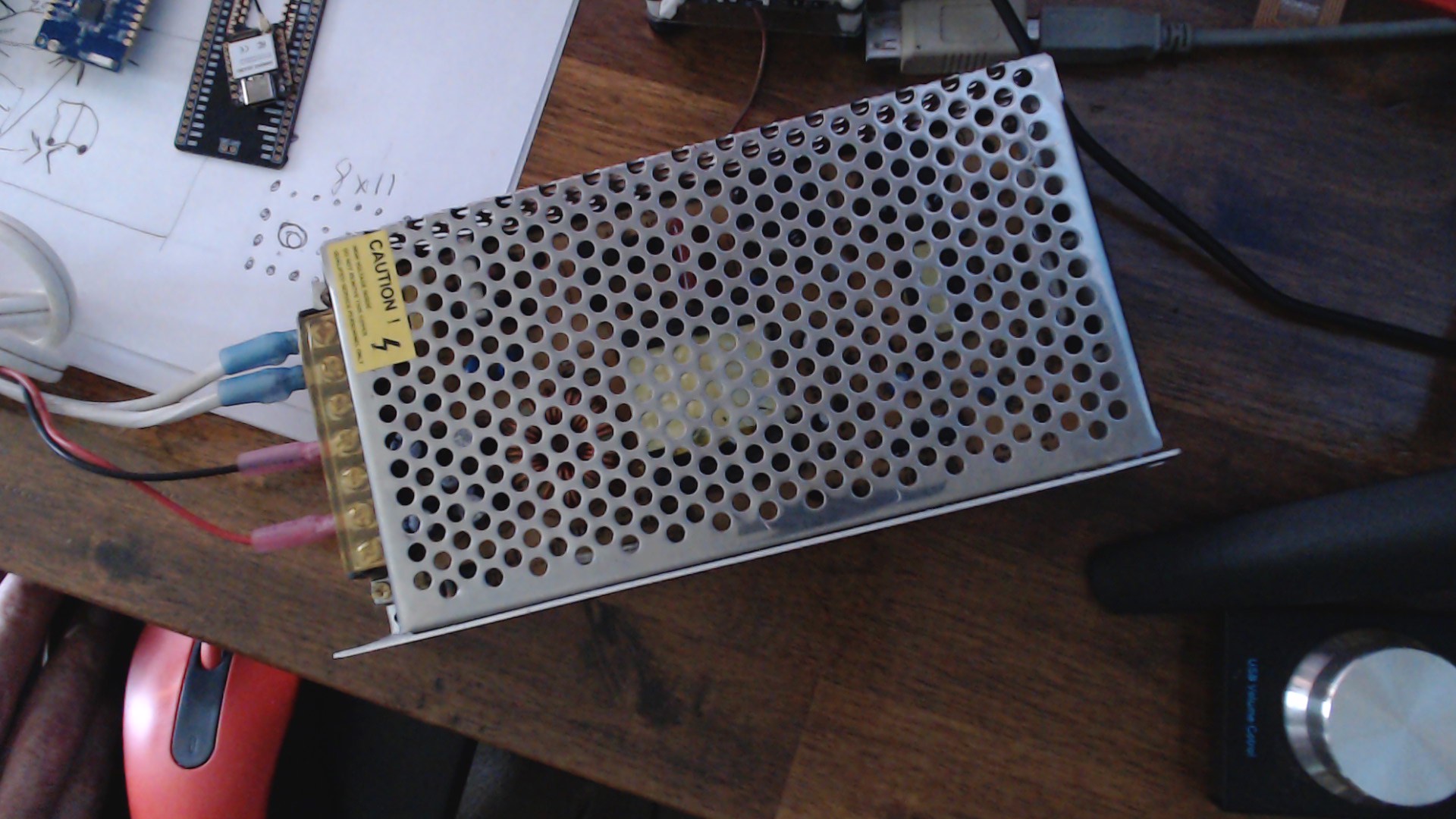
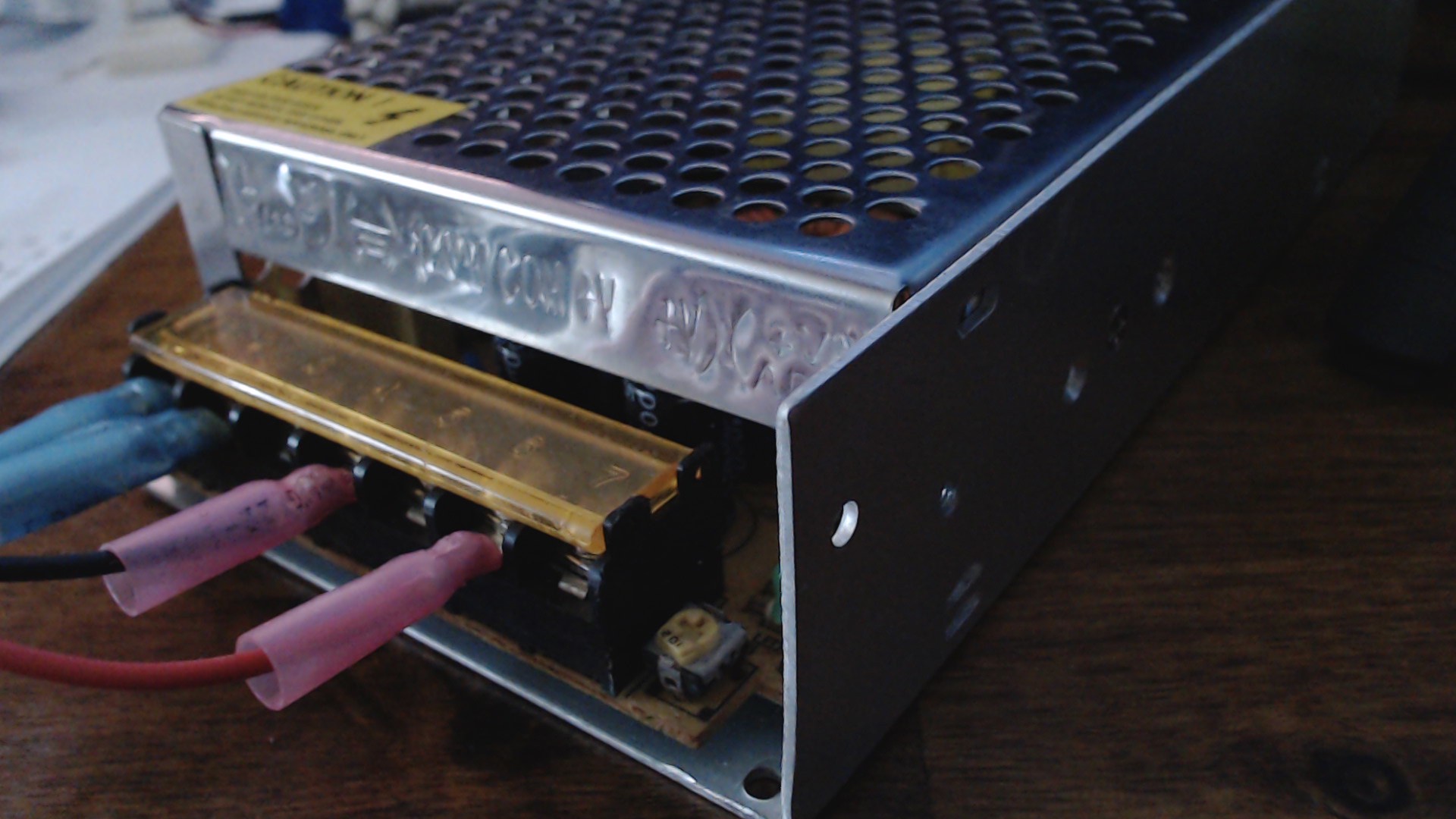
A Good power supply is no.#1 in my book.
3.0-4.0 amps. I think this one is.
Then short wire leads, Power Buffers where needed.(capacitors). 
When it comes to powering a micro-servo like the FS90 alongside a compact MCU like the XIAO ESP32-C6 (113991254), trying to draw current straight from the board’s 5V pin during a heavy mechanical stall is a quick recipe for erratic brownouts and reset loops.
To keep the ESP32-C6 stable and the servo responsive, you have a few excellent paths depending on how compact or robust the setup needs to be:
1. The Simplest Solution: A Capacitor Buffer
If the servo is only moving a lightweight claw (like the Kitronik Klaw Kit) and isn’t fighting high resistance, you can technically run it off the XIAO’s VBUS/5V pin—provided you isolate the logic from the sudden current spikes.
- What you need: A 470uF to 1000uF Electrolytic Capacitor (rated for at least 10V).
- How to wire it: Place the capacitor as close to the servo’s power leads as possible, spanning directly across the
5V (Positive) and GND (Negative) lines. When the servo kicks on and demands a sudden burst of current, the capacitor supplies it instead of pulling down the voltage on the MCU rail.
2. The Direct Option: Split USB Power
If you want to power the whole setup from a single USB brick without a custom driver board, you can split the 5V line right at the source so the servo’s current draw doesn’t flow through the tiny traces of the XIAO.
- What you need: A standard 5V, 2A USB wall adapter.
- How to wire it: Splice the 5V power from the incoming USB source directly to both the XIAO’s 5V pin and the FS90 servo’s VCC line. Tie all grounds together. This ensures the servo has direct access to the ample current of the power brick without stressing the micro-MCU’s delicate board routing.
You can also,
For flawless reliability under mechanical load, completely separating the logic power from the motor power is the gold standard.
PWM Compatibility Note
The XIAO ESP32-C6 handles standard 50Hz servo PWM flawlessly on any of its 11 available GPIO pins. Just ensure your code targets a 3.3V logic-compliant pin (which all of them are), as the FS90 happily accepts 3.3V PWM signals even when its main motor power is running at 5V or 6V!
HTH
GL  PJ
PJ